
...

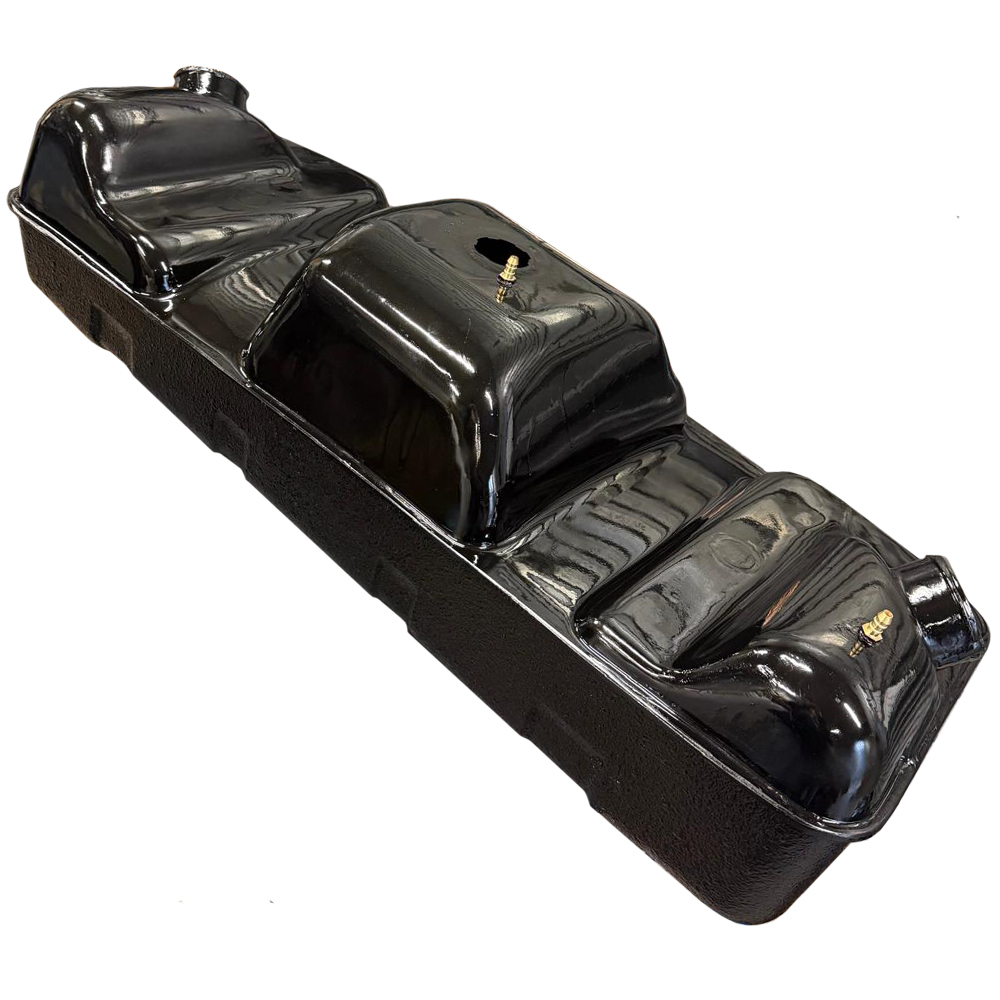
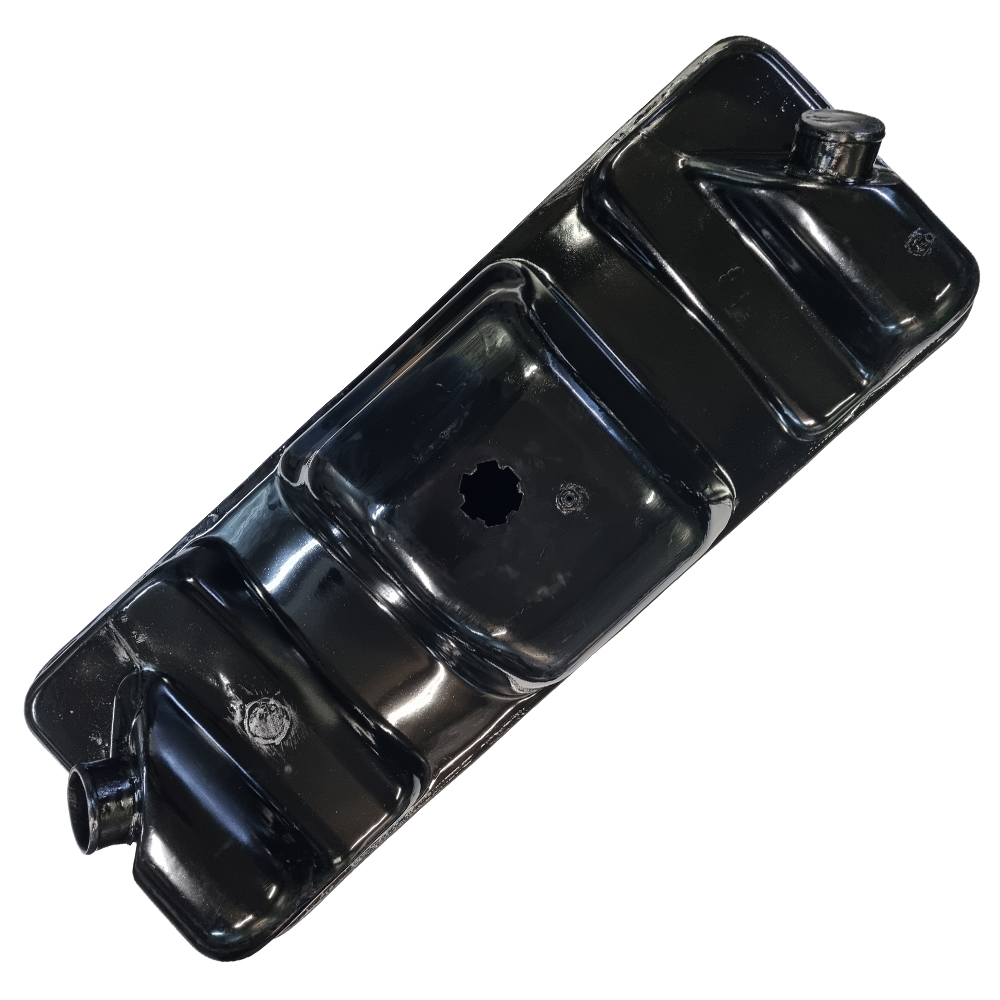
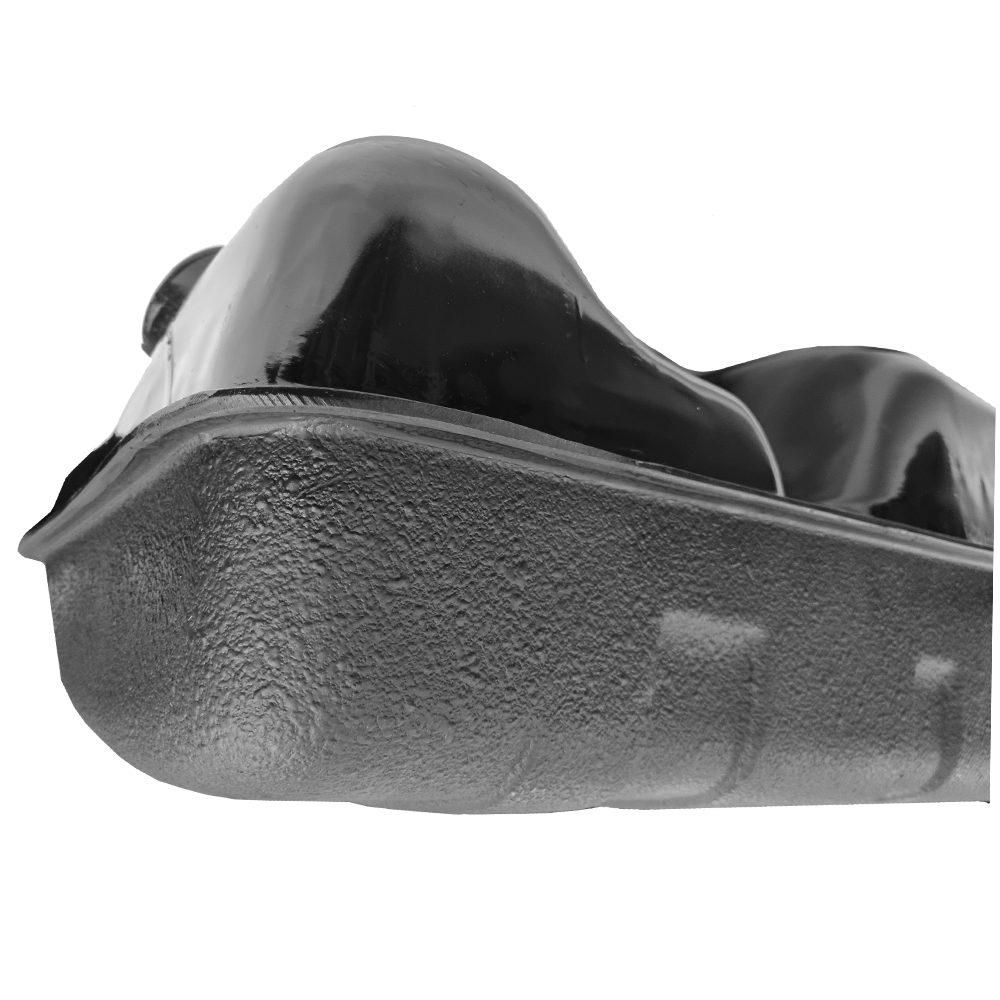
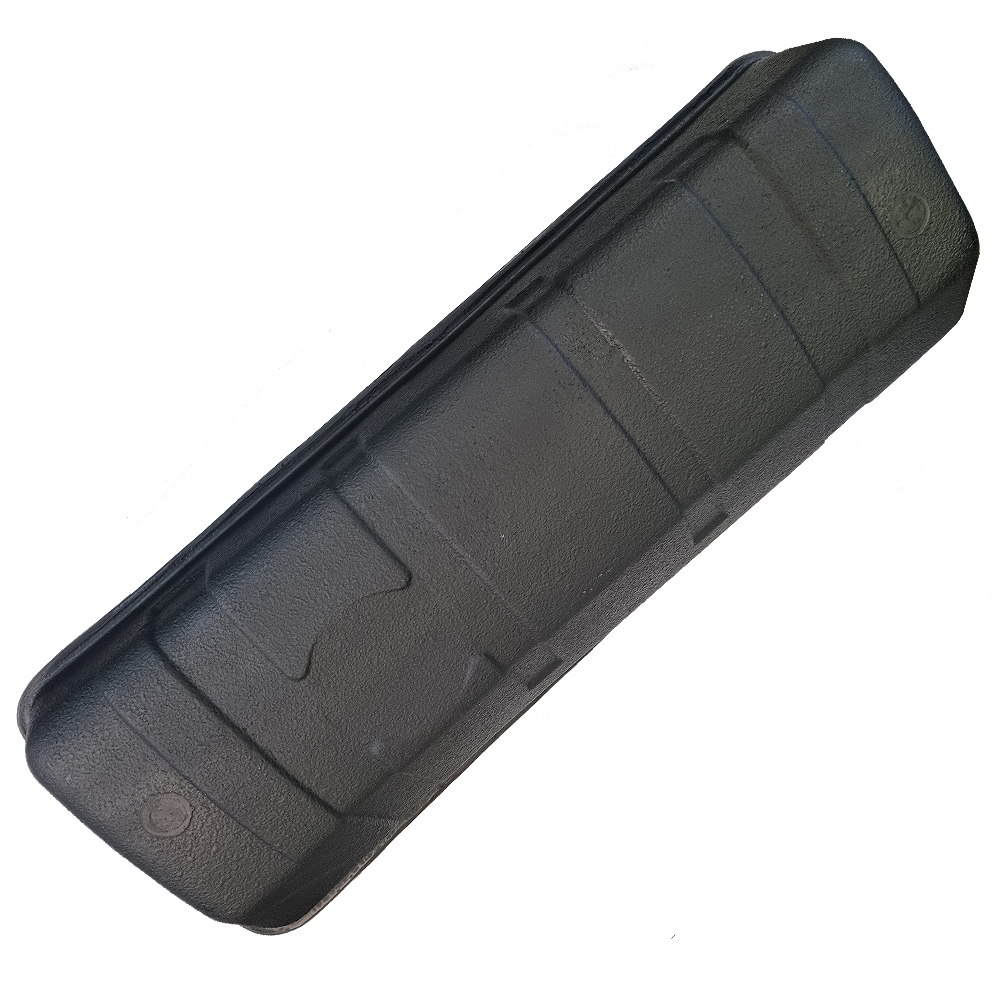
Plastic fuel tank – Mercedes-Benz G-Class – Diesel (1975-2001)

PL20266

519.00

Brand

Mercedes-Benz G-Class

Condition

New

Originality

Analogue

Guarantee

3 years

Made in

European Union

In stock

Insurance-m Tank delivery is insured

Manufacturer number: A4604710098, A4614700004

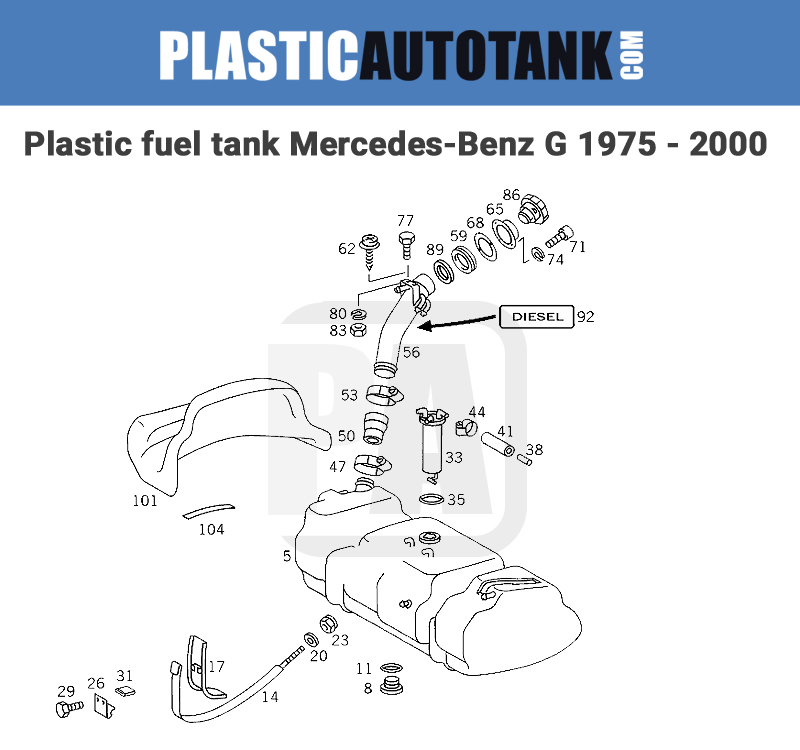
Suitable for models: Mercedes-Benz G – W460, W461, W462, W463, Wolf gl – Diesel

Fuel tank capacity: 70 liters.

Material: Composite material based on polyester resins, glass fiber and carbon fiber fabric, resistant to diesel and gasoline and with a long service life.

Wall thickness: 5 mm

Weight: 8 kg

Size: 1280 x 630 x 340 mm

Equipment: tank only

The inside of the fuel tank has hydro-impact baffles made from factory drawings. The presence of partitions (serve to reduce fuel fluctuations).

During installation, the fuel tank is secured to the factory fixings.

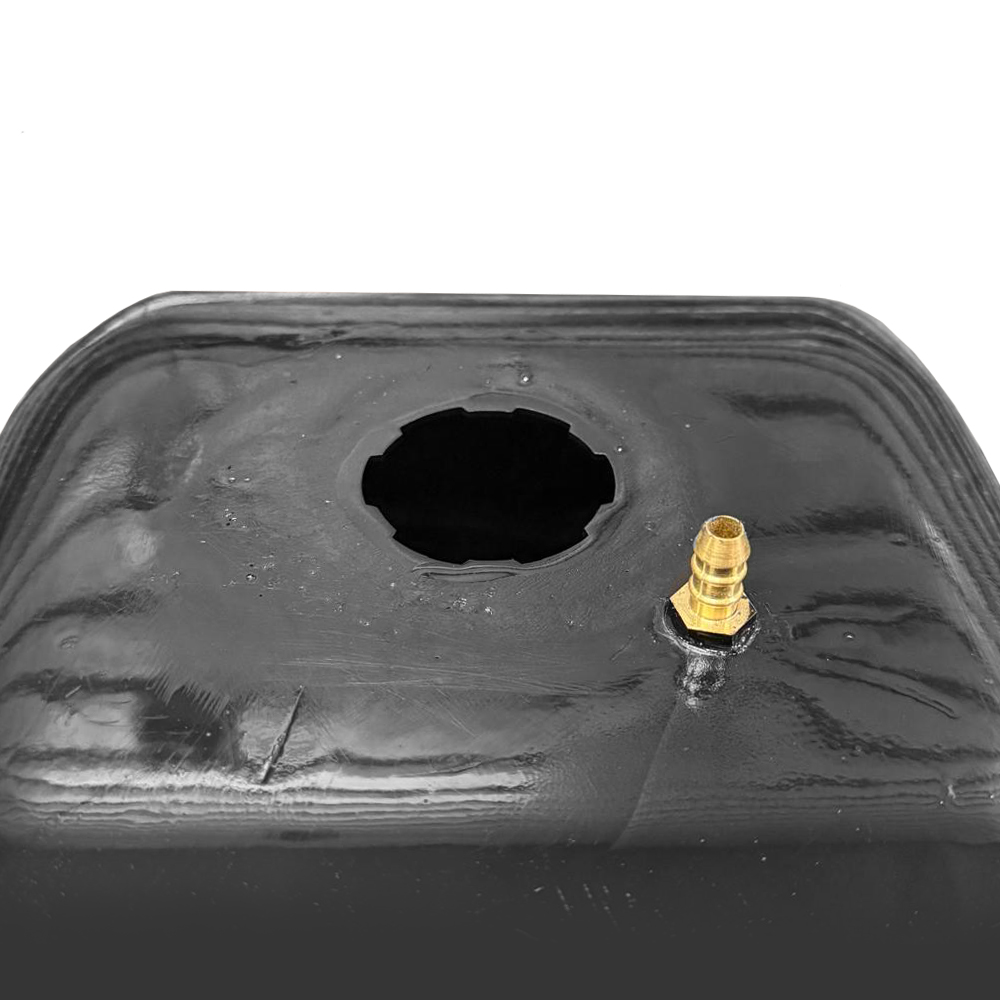
The second hole is closed and can be cut out with a cutting wheel for a second additional tank.

Direct deliveries from the manufacturer
Fast delivery from Latvia to Germany within 4–6 business days via DHL, DPD, UPS, DACHSER or FedEx.

Kurier Zustelldienste

Premium Plastic Fuel Tank for Mercedes-Benz G-Class (1975–2001) – Diesel Models

Replace Your Rusted Steel Tank with a Modern, Corrosion-Free Solution

This plastic fuel tank is a reliable and modern replacement for the original steel fuel tanks fitted to Mercedes-Benz G-Class diesel models (W460, W461, W462, W463, and Wolf GL variants manufactured between 1975 and 2001). If your original metal tank has started to rust, leak, or show signs of corrosion, this composite tank is the ideal solution for restoring your fuel system to reliable operation.

Plastic fuel tank – Mercedes-Benz G-Class – Dizel

Why Choose a Plastic Fuel Tank?

  • Corrosion-Free Design: Unlike steel tanks that rust over time, our composite material is naturally resistant to rust and corrosion, ensuring decades of reliable service even in harsh conditions or salt-laden environments.
  • 40–50% Lighter Than Steel: Reduces overall vehicle weight, improving fuel efficiency and taking stress off suspension and chassis components.
  • Impact-Resistant & Durable: Made from composite material (polyester resin, fiberglass, and carbon fiber), the tank combines strength with flexibility, resisting stone strikes and vibration damage.
  • Factory-Precise Fit: Manufactured to match original dimensions and mounting points exactly, ensuring drop-in compatibility with W460, W461, W462, and W463 frame configurations.
  • Internal Baffles Included: The tank features factory-pattern hydro-impact baffles that reduce fuel sloshing during off-road driving and aggressive maneuvers.
  • 100% Pressure-Tested: Every tank undergoes rigorous pressure testing to guarantee zero fuel or vapor leaks.

Installation & Support

The tank mounts securely to the original factory mounting points and brackets. A detailed installation guide is included in the “Installation Guide” tab above, covering removal of the original tank, transfer of the fuel pump/sender unit, and proper reconnection of all fuel lines and electrical connectors.

Not sure if this tank fits your specific model? Contact us via WhatsApp at +371 20719490, or email plasticautotank@gmail.com with your vehicle’s model year, engine type, and VIN (Fahrgestellnummer) and we’ll confirm compatibility and answer any pre-purchase questions.

Quality & Warranty

Manufactured in Latvia under EU technical regulations and standards. Every tank is individually pressure-tested and comes with a 3-year manufacturer’s warranty covering material defects and manufacturing quality. Worldwide insured shipping is included.

Restore your Mercedes G-Class fuel system to reliable, rust-free operation today.

Questions about this tank? Write to us in the WhatsApp chat.

💡 Response time: 24/7 chatbot support for product and order inquiries. Responses are usually provided within 5 seconds.
whatsup

Mercedes-Benz G-Class (Diesel, 1975–2001) Fuel Tank Replacement Checklist

Safety first: If you’re not comfortable working with fuel systems or heavy lifting, hire a professional.

Safety Checklist

Before starting work, prepare the following safety equipment:

  • Safety glasses
  • Gloves
  • Long-sleeved clothing
  • Fire extinguisher
  • Adequate ventilation
  • No smoking or open flames
  • Disconnect the vehicle’s battery

Tools & Materials

  • Floor jack
  • Jack stands
  • 10–19 mm wrenches
  • Plastic scraper
  • Safety wire
  • Clean diesel fuel
  • Clear hose for priming
  • Socket set
  • Drain pan
  • Screwdrivers
  • Wheel chocks
  • Rags

Removal Steps

  1. Relieve fuel system pressure before disconnecting any fuel lines.
  2. Lift the vehicle and support it securely on jack stands. Place wheel chocks.
  3. Disconnect the battery.
  4. Drain the tank into a suitable container.
  5. Disconnect electrical connectors and label hoses, lines, and wiring. Taking photos is recommended.
  6. Disconnect the filler neck and vent hoses.
  7. Support the tank using a floor jack with a piece of wood underneath.
  8. Remove the tank straps and any protective shields.
  9. Lower the tank slowly, making sure no hoses or wires remain attached.
  10. Remove the sender/pump assembly, if installed on your model.

Install New Tank

  1. Inspect the new tank and ensure that all fittings match your vehicle.
  2. Transfer the sender/pump assembly if required, installing a new O-ring for proper sealing.
  3. Position the new tank on the floor jack and raise it slowly into place.
  4. Loosely install the tank straps, align the tank, then tighten the bolts to the correct torque.
  5. Reconnect all hoses and lines (main line, return line, vent lines, filler neck).
  6. Reconnect the electrical connectors.
  7. Reconnect the battery.

Final Steps

  • Add a small amount of clean diesel to check for any leaks.
  • Prime the fuel system by turning the ignition on (without starting) or using a manual pump, depending on your vehicle.
  • Start the engine and carefully inspect for leaks.
  • Fill the tank fully and inspect again.
  • Perform a short test drive and recheck all connections and tank straps.

Troubleshooting

  • Engine won’t start or runs rough: Bleed the fuel system and verify all fittings.
  • Fuel smell: Inspect clamps, hoses, and the sender O-ring.
  • Leak at sender unit: Replace O-ring and reseat the assembly.
  • Corroded tank straps: Replace with new hardware.