
How to Fix a Rusted Fuel Tank – Repair vs Replace
Rust in a fuel tank is a common and potentially dangerous issue, especially in vehicles older than 10–15 years. Moisture, condensation, road salts and the natural wear of metal gradually corrode the tank from the inside and outside. As corrosion progresses, rust particles contaminate the fuel, clog filters and injectors, and cause the fuel pump to overheat — ultimately reducing overall engine performance.
In this guide, we explain how to diagnose rust damage, which repair methods actually work, and how to restore a corroded fuel tank safely. We also cover situations when repair is no longer effective and replacing the tank becomes the best option — particularly with a modern plastic fuel tank that offers long-lasting durability and complete resistance to corrosion.
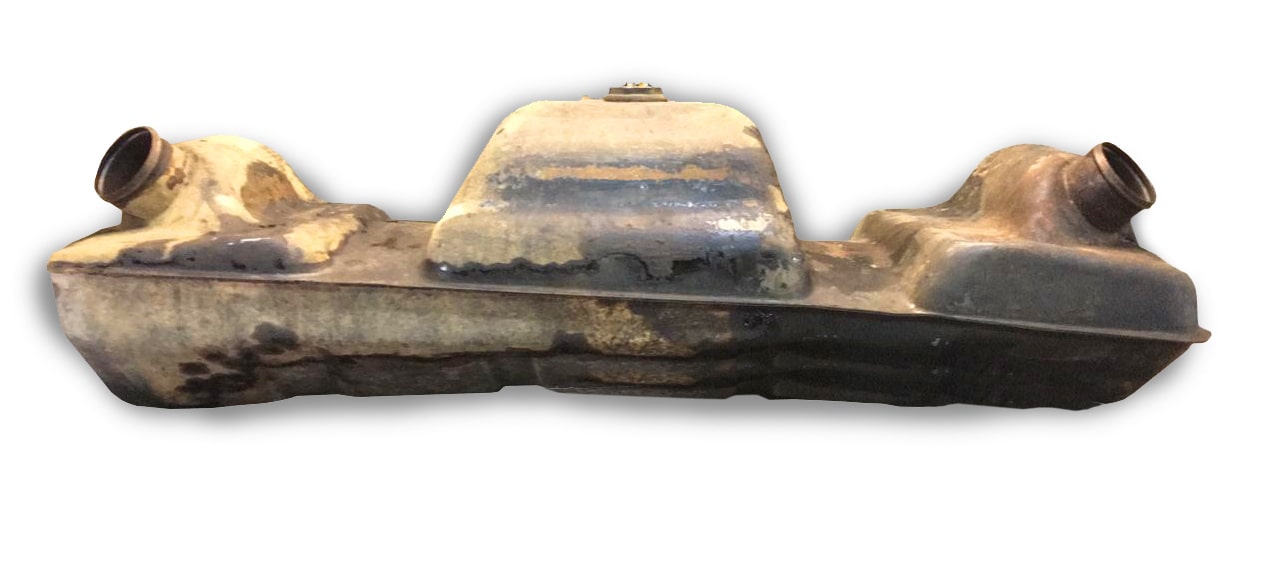
1. Signs of a Rusted Fuel Tank
- Engine misfires, power loss or stalling under load
- Fuel filter clogs quickly; rust particles visible in filter
- Fuel pump noise or failure
- External wet spots, fuel odor, or visible rust on the tank
2. Is Repair Possible?
Repair is feasible when rust is superficial (no through-holes, no major wall thinning). If the metal is perforated or welds and mounts are badly corroded, replacement is safer and more cost-effective.
3. Three Practical Repair Methods
Method A — Chemical Rust Removal (internal rust)
- Drain fuel and remove the tank.
- Degrease and rinse the tank.
- Apply an approved rust remover (phosphoric-acid based or commercial rust dissolver) per instructions.
- Rinse thoroughly and fully dry the tank.
- Apply an internal protective coating (see Method B) or sealer.
Pros: Low cost, effective on early rust. Cons: Not for deep pitting or holes.
Method B — Internal Sealing / Tank Liner
Use a fuel-safe two-component sealer to line the inside of the tank after removing rust and drying. This creates a protective film that prevents further corrosion.
Pros: Extends life 1–3 years. Cons: Liner can fail over time; not a permanent fix.
Method C — Welding / Patch Repair (external holes)
For through-holes, a qualified technician can weld patches or perform TIG/MIG repairs after full degassing. Welding a fuel tank is hazardous — only professionals with the right equipment should perform it.
Pros: Fast and often inexpensive. Cons: Welded areas and surrounding metal may continue to corrode.
4. When Repair Is Not Worth It
Replace the tank if you see: multiple through-holes, weakened mounting ears, failing weld seams, or heavy corrosion both internally and externally. Repeat repairs are a sign replacement is the right choice.
5. Why Choose a Plastic Fuel Tank Replacement

Plastic (composite) fuel tanks are corrosion-proof, resistant to gasoline and diesel, lighter than steel and often match OEM mounting points. A quality plastic tank eliminates future rust problems and can be the most economical long-term solution.
6. Preventive Tips After Repair or Replacement
- Use quality fuel and change filters regularly (15–20k km)
- Avoid driving with an almost-empty tank (reduces condensation)
- Periodically inspect the underbody and tank mounts
- Use anticorrosion spray on exposed metal mounts
Conclusion
Superficial rust can be removed chemically or sealed; holes require welding or replacement. For long-term reliability, a modern plastic fuel tank is often the best option. If you want a direct replacement — check our plastic fuel tanks at Plasticautotank.com