How to Fix a Rusted Fuel Tank – Repair vs Replace
Rust in a fuel tank is a common and potentially dangerous issue, especially in vehicles older than 10–15 years. Moisture, condensation, road salt and the natural wear of metal gradually corrode the tank from the inside and outside. As corrosion progresses, rust particles contaminate the fuel, clog filters and injectors, and can cause the fuel pump to overheat – ultimately reducing overall engine performance and reliability.
As an EU manufacturer of plastic fuel tanks, we see in practice how neglected rust damage leads to repeated breakdowns, leaks and, in severe cases, a real safety risk. In this guide, we explain how to diagnose rust damage, which repair methods actually work, and how to restore a corroded fuel tank safely. We also cover situations where repair is no longer effective and replacing the tank becomes the best option – particularly with a modern plastic fuel tank that offers long‑term durability and complete resistance to corrosion.
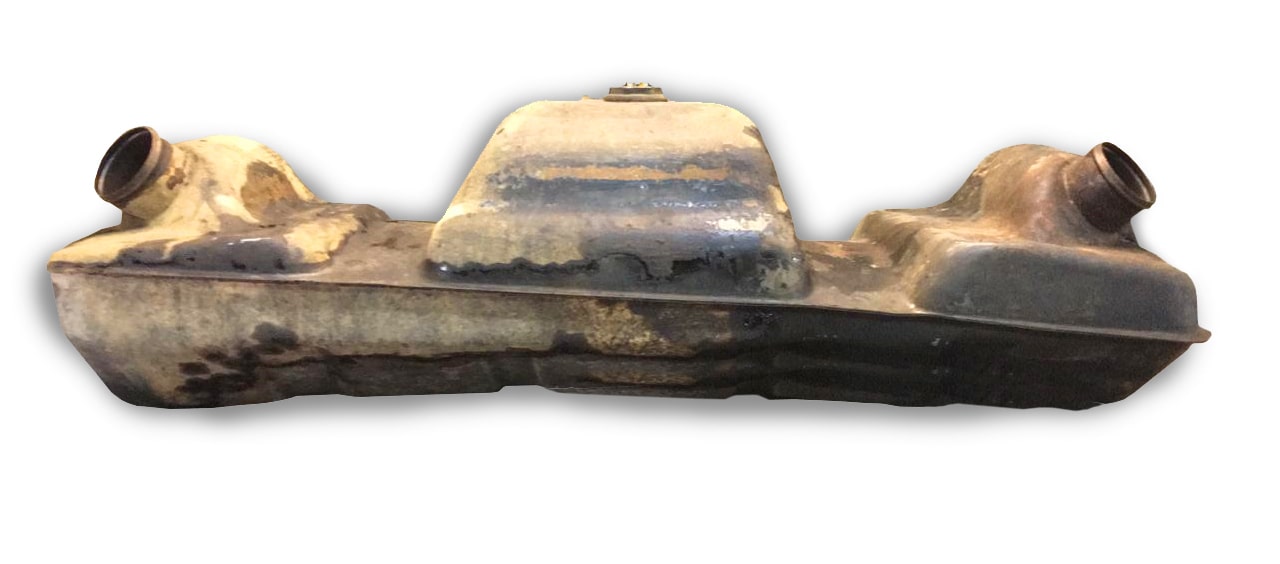
1. Signs of a Rusted Fuel Tank
- Engine misfires, power loss or stalling under load
- Fuel filter clogs quickly; rust particles visible in the removed filter
- Unusual fuel pump noise (whining, buzzing) or premature pump failure
- External wet spots, persistent fuel odor, or visible rust on the tank shell, seams or mounting straps
Sludge or reddish deposits inside the tank or in the fuel you drain out are another clear sign that corrosion is progressing and the tank should be inspected closely.
2. Is Repair Possible?
Repair is generally feasible when rust is mostly superficial: there are no through‑holes, no “soft” spots, and the tank walls, seams and mounting points still feel structurally solid. In these cases, chemical rust removal and internal sealing can extend the life of the tank.
If the metal is perforated, seams or mounting ears are badly corroded, or the tank has already been repaired several times and keeps shedding rust, replacement is usually the safer and more cost‑effective solution – even more so on vehicles that are driven regularly, not just occasionally.
3. Three Practical Repair Methods
Method A — Chemical Rust Removal (internal rust)
- Drain the fuel and remove the tank from the vehicle.
- Degrease and rinse the inside thoroughly to remove old fuel residues.
- Apply an approved rust remover (phosphoric‑acid based or a commercial rust dissolver) according to the manufacturer’s instructions.
- Rotate the tank so all internal surfaces are wetted, then let it soak for the specified time.
- Rinse thoroughly until the rinse water runs clear and allow the tank to dry completely.
- Optionally, apply an internal protective coating or tank sealer (see Method B).
Pros: Relatively low cost and effective on early or light to moderate internal rust. Cons: Not suitable for deep pitting, heavily thinned metal or existing holes – in those cases it only delays the inevitable replacement.
Method B — Internal Sealing / Tank Liner
After rust removal and thorough drying, a fuel‑safe two‑component sealer can be used to line the inside of the tank. The sealer is poured in, the tank is slowly rotated to coat all surfaces, excess is drained and the coating is left to cure fully.
Pros: Can significantly slow down further corrosion and extend the service life of a structurally sound tank. Cons: Not a permanent fix for advanced rust; poorly applied or low‑quality liners may flake off later and clog filters, lines or injectors.
Method C — Welding / Patch Repair (external holes)
For small, localised through‑holes or cracks, a qualified technician can weld patches or perform TIG/MIG repairs – but only after complete degassing and cleaning of the tank to remove all fuel vapour.
Pros: Can be a fast and relatively inexpensive way to save an otherwise rare or hard‑to‑find original tank. Cons: Welding fuel tanks is hazardous and must only be done by professionals; welded areas and the surrounding aged metal may continue to corrode and are rarely “as good as new”.
All three methods can make sense when corrosion is limited and the tank shell is still sound. Once there are multiple holes, extensive thinning or recurring rust after previous repairs, ongoing patchwork often becomes more expensive and risky than a proper replacement.
4. When Repair Is Not Worth It
In our experience, replacement is usually the better choice if you notice any of the following:
- Multiple through‑holes or “sweating” areas where fuel keeps seeping through
- Severely weakened or cracked mounting ears, straps, or brackets
- Heavy corrosion both inside and outside the tank shell
- Rust returning in the fuel system shortly after previous repairs or filter changes
At that point, a structurally compromised tank becomes a safety risk and recurrent source of contamination – replacing it with a solid, rust‑free unit is the only reliable long‑term fix.
5. Why Choose a Plastic Fuel Tank Replacement
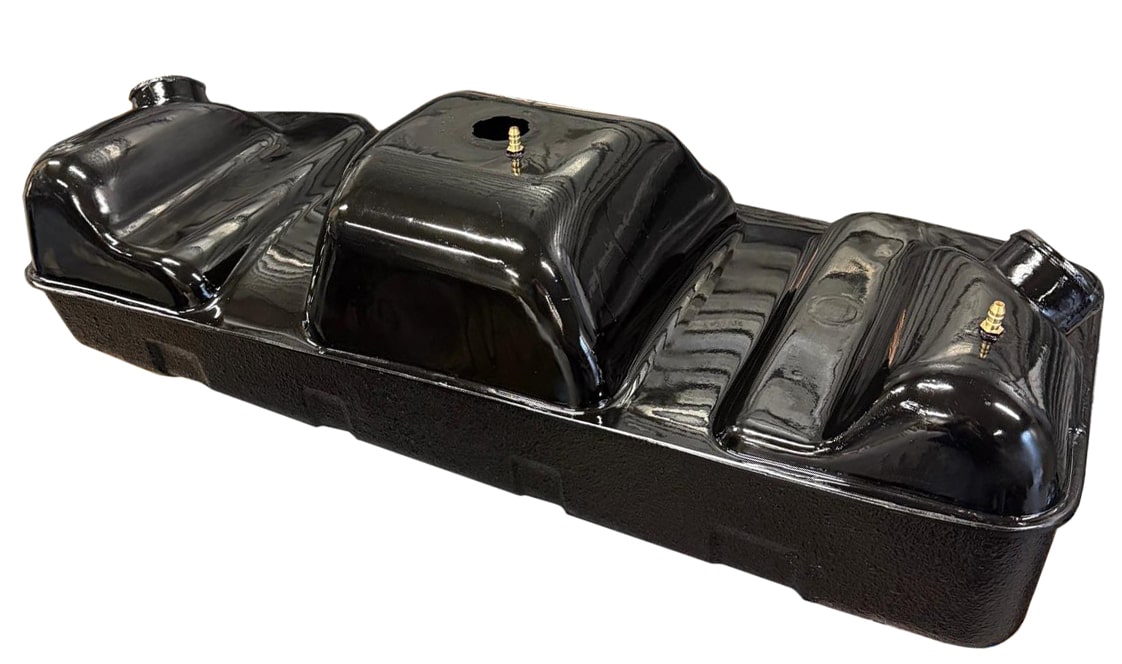
Plastic (composite) fuel tanks are corrosion‑proof, resistant to gasoline and diesel, lighter than steel and often match the original OEM mounting points. For many vehicles with a badly rusted metal tank, a quality plastic replacement is the most economical long‑term solution.
Our plastic fuel tanks are manufactured in Latvia from a modern composite material based on polyester resins, fiberglass and carbon fibre. They are designed as direct replacements for metal tanks on specific vehicle models and fit the original mounting points and connections without modification.
- Corrosion‑free: The composite material will not rust, so filter blockages and recurring rust issues are eliminated.
- Fuel‑resistant: Engineered for use with petrol and diesel; tested for compatibility with common fuel blends.
- Lightweight: Typically 40–50% lighter than a comparable steel tank, making handling and installation easier.
- Impact‑ and vibration‑resistant: Designed to withstand normal road use and off‑road vibrations without cracking.
- Long service life: With correct installation and normal use, our plastic tanks can last for decades without corrosion‑related failures.
- Direct from the EU manufacturer: You buy directly from the producer, with no middleman mark‑ups, extended warranty and technical support for choosing the right tank.
6. Preventive Tips After Repair or Replacement
- Use quality fuel and change fuel filters regularly (typically every 15–20,000 km or as specified by the vehicle manufacturer).
- Avoid driving with an almost‑empty tank all the time – a higher fuel level reduces condensation and internal moisture.
- Periodically inspect the underbody, tank straps and mounting points for damage or new corrosion.
- Apply anti‑corrosion spray or rust protection to exposed metal brackets and hardware around the tank area.
These simple habits help keep the fuel system clean, reduce the load on the fuel pump and minimise the chance of future tank issues.
Conclusion
Superficial rust in a fuel tank can often be treated chemically or sealed with a liner, while localised damage may sometimes be repaired by a specialist. However, once there is deep pitting, multiple holes or repeated rust contamination, replacing the tank is usually the only reliable and safe option.
For long‑term reliability, a modern plastic fuel tank is often the best choice – especially when it is designed as a direct replacement for your specific vehicle model. If you are looking for a corrosion‑free replacement tank, you can browse our catalogue by brand and model at Plasticautotank.com and order directly from the EU manufacturer.