
Rust Inside: How to Check the Fuel Tank Condition of Your Classic Car
Signs of failure, how to diagnose internal rust, not taking into account the tank and any corrosion intended for the entire fuel system.
Why Classic Car Fuel Tanks Rust Over Time
In classic cars, including iconic models like the Audi 100 4×4 Quattro, steel fuel tanks are commonly used, and they naturally degrade over time. Even if the tank looks sturdy from the outside, its interior may already be weakened.
1. Condensation Inside the Tank
During long-term storage, moisture can accumulate inside the tank, especially in European models from the 1980s and 1990s. This leads to internal corrosion and rust formation.
2. Poor-Quality or Contaminated Fuel
Low-grade or contaminated fuel accelerates corrosion, causing rust to form on the internal surfaces of the tank.
3. Infrequent Vehicle Use
Classic cars that are not driven regularly experience less fuel circulation, which allows rust and sediment to build up inside the tank.
4. Insufficient Tank Ventilation
Poor ventilation can lead to condensation and moisture retention, increasing the risk of rust formation.
5. Micro-Damage to Protective Coatings
Over time, protective coatings inside steel tanks can suffer small scratches or chips, exposing the metal to corrosion.
Internal corrosion is one of the most serious issues in classic cars, as it often goes unnoticed until it causes significant damage. Upgrading to a high-quality plastic fuel tank can completely eliminate rust issues, ensuring long-term reliability and safety.
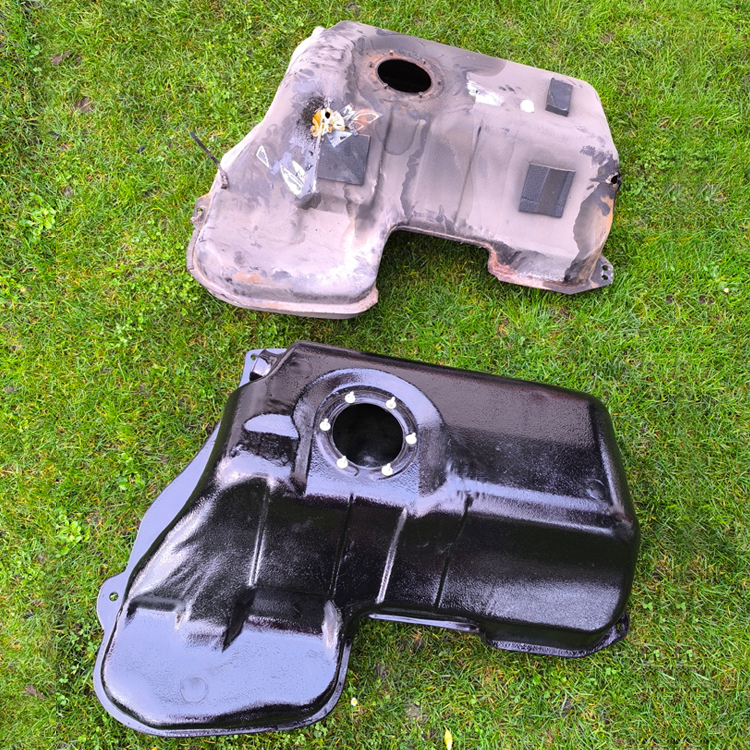
Signs of Rust Inside the Fuel Tank
1. Unstable or Rough Engine Performance
Rust flakes can break off and enter the fuel system, causing:
- Hesitation during acceleration
- Irregular idling
- Jerks or stumbles on the road
- Occasional stalling
2. Frequent Fuel Filter Clogging
If the fuel filter darkens or clogs shortly after replacement, it is likely a sign of internal rust—a common problem in older models like the Audi 100 4×4.
3. Sediment or Discoloration in Drained Fuel
When draining a small amount of fuel into a clear container, look for:
- Brown or reddish particles
- Cloudy fuel
- Visible rust flakes
4. Long-Term Vehicle Storage
Condensation can accumulate inside the tank of any classic car that has been stored for long periods, especially European models from the 1980s and 1990s, such as the Audi 100 Quattro.
5. Strong Fuel Odor Inside the Cabin
Corrosion weakens the tank material and can cause micro-leaks, resulting in noticeable fuel smells and serious safety risks.
How to Diagnose Rust Without Removing the Tank
1. Inspect the Tank Through the Filler Neck
Use a strong flashlight and a small inspection mirror to check the internal walls. Reddish stains, roughness, or flaking metal indicate corrosion.
2. Check Fuel Clarity
Drain a small amount of fuel into a glass container. Clear fuel indicates a healthy tank, while rust or discoloration signals internal corrosion.
3. Examine the Used Fuel Filter
Cut open the old fuel filter. Rust particles or heavy contamination are clear signs of internal tank rust.
4. Test Fuel Pressure
Low or fluctuating fuel pressure may indicate the pump is drawing debris from a rusty tank—a common symptom in classic Quattro models.
5. Use an Endoscopic Camera
An endoscopic inspection provides a near-complete internal view and is one of the most accurate non-invasive methods for diagnosing rust.
Risks of Internal Rust
1. Fuel Pump Failure
Rust forces the pump to work harder, leading to premature failure.
2. Clogged Injectors or Carburetor
Even microscopic rust particles can disrupt fuel flow, causing expensive repairs.
3. Engine Performance Issues
Incorrect fuel mixture can result in knocking, overheating, and accelerated engine wear.
4. Fuel Leaks and Fire Hazard
Corrosion weakens the tank material, forming cracks that can lead to dangerous fuel leaks.
5. Complete Tank Failure
Severely corroded metal tanks can collapse from the inside, compromising the entire fuel system.
Repair or Replacement: Combat Fuel Tank Corrosion
Short-Term Repairs
Temporary solutions include tank cleaning, using rust removers, or coating the interior with epoxy. However, corrosion often returns over time.
Long-Term Solution: Plastic Fuel Tanks
Upgrading to a modern plastic fuel tank eliminates rust and condensation, reduces weight, increases durability, and ensures long-term reliability. For classic European cars like the Audi 100 4×4 Quattro, replacing the original steel tank with a corrosion-resistant plastic tank provides:
- 100% resistance to rust and corrosion
- No internal condensation issues
- Lighter weight for improved efficiency
- High durability and impact resistance
- Long approved service life
Conclusion
Internal fuel tank corrosion in classic cars can lead to engine problems, fuel contamination, and serious safety hazards. If you notice rough engine performance, clogged filters, or rust in drained fuel, inspect your tank immediately.
A rusty fuel tank poses a serious threat to the entire fuel system—especially in older AWD models like the Audi 100 Quattro. Upgrading to a high-quality plastic fuel tank is a reliable solution trusted by classic car owners worldwide.