
Should You Fill Up the Gas Tank Completely? Pros, Cons, and Expert Advice
When you pull up to the gas station, you’re faced with a simple yet surprisingly divisive question: Should you fill up the gas tank completely or just put in what you need? While it might seem like a matter of convenience, the choice can actually affect your budget, your car’s performance, and even the environment.
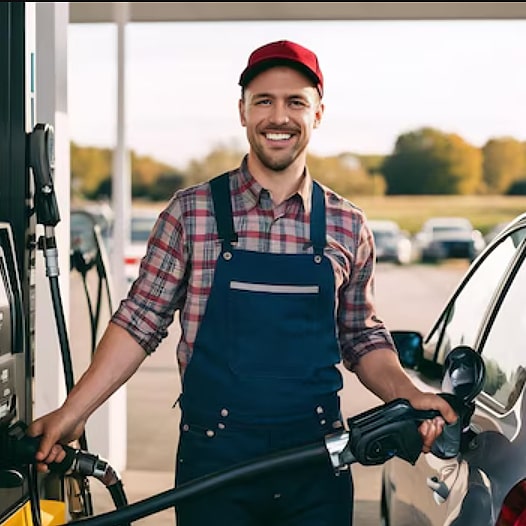
Why Drivers Are Unsure
With constantly changing fuel prices, every liter (or gallon) counts. Some prefer to top up gradually to avoid spending too much at once. Others fill the tank completely to visit gas stations less often. But which option is actually better and safer, especially for gasoline or diesel engines?
Advantages of Filling the Tank Completely
1. Less Condensation Inside the Tank
When the tank is only half full, moisture and condensation can form inside, especially with temperature fluctuations. This is particularly problematic for diesel engines, as water in diesel fuel can lead to bacterial growth, clogged filters, and injector damage.
👉 A full tank helps prevent condensation in both gasoline and diesel systems.
2. Stable Fuel Pressure
A full tank helps maintain constant fuel pressure, especially in modern cars with electronic fuel injection or diesel Common Rail systems. This ensures smoother engine operation and better acceleration.
3. Fewer Stops at Gas Stations
Filling the tank saves time — you won’t have to stop as often to refuel. This is especially convenient for long trips or for commercial diesel vehicles covering long distances.
4. Lock in a Lower Price
When fuel prices drop, filling up completely lets you take advantage of the lower rate for both gasoline and diesel vehicles. It’s a smart way to save money before prices rise again.
Disadvantages of Filling the Tank Completely
1. Extra Weight = Higher Fuel Consumption
Every 50 liters (about 13 gallons) of fuel adds around 35–40 kg (77–88 lbs) to your car. This increases fuel consumption by 0.2–0.5 L per 100 km (roughly 1–2 miles per gallon less), especially in city driving. For small gasoline cars, this is noticeable; for heavier diesel vehicles, the effect is smaller but still present.
2. Risk of Overfilling
Overfilling can damage the evaporative emission control system (EVAP) (in gasoline vehicles) or cause fuel to overflow through the ventilation system (in diesel vehicles). This may result in Check Engine errors, emissions problems, or costly repairs.
3. Fuel Expansion in Hot Weather
Gasoline expands more than diesel fuel at high temperatures. If the tank is filled “to the brim,” fuel may leak or evaporate, causing unpleasant odors and creating a safety risk. Diesel fuel is less volatile, but overfilling can still lead to overflow in hot conditions.
When It Makes Sense to Fill the Tank Completely
- Before long trips — so you don’t have to search for gas or diesel stations along the way.
- In winter — cold weather increases the risk of condensation, especially in diesel fuel tanks.
- When fuel prices are low — to lock in savings.
- If your vehicle will not be used for a while — to help prevent internal corrosion and bacterial growth in diesel fuel.
When Partial Refueling Is Better
- For short city trips — there is no need to carry extra weight.
- If prices are unstable or discounts are expected — wait for a better deal.
- For small fuel tanks — overfilling provides no real benefit.
- For diesel vehicles in hot climates — avoid topping up to prevent expansion-related issues.
Expert Tips
- Fill the tank to about 80–90% — avoid topping off both gasoline and diesel tanks.
- Refuel in the morning — fuel is denser and less prone to evaporation.
- Pay attention not only to quantity but also to fuel quality — poor-quality gasoline or diesel can cause engine wear.
- Use trusted fuel stations to avoid diluted gasoline or contaminated diesel fuel.
Conclusion: Filling the Tank Is Fine — Within Reason
A full tank can be beneficial if you are preparing for a long trip, want to prevent moisture buildup, or take advantage of low fuel prices. However, keeping the tank full all the time is not always efficient — extra weight means higher fuel consumption and increased strain on the vehicle.
💡 Optimal balance: keep the fuel level between 70–90%. This range offers the best combination of convenience, safety, and fuel efficiency.